
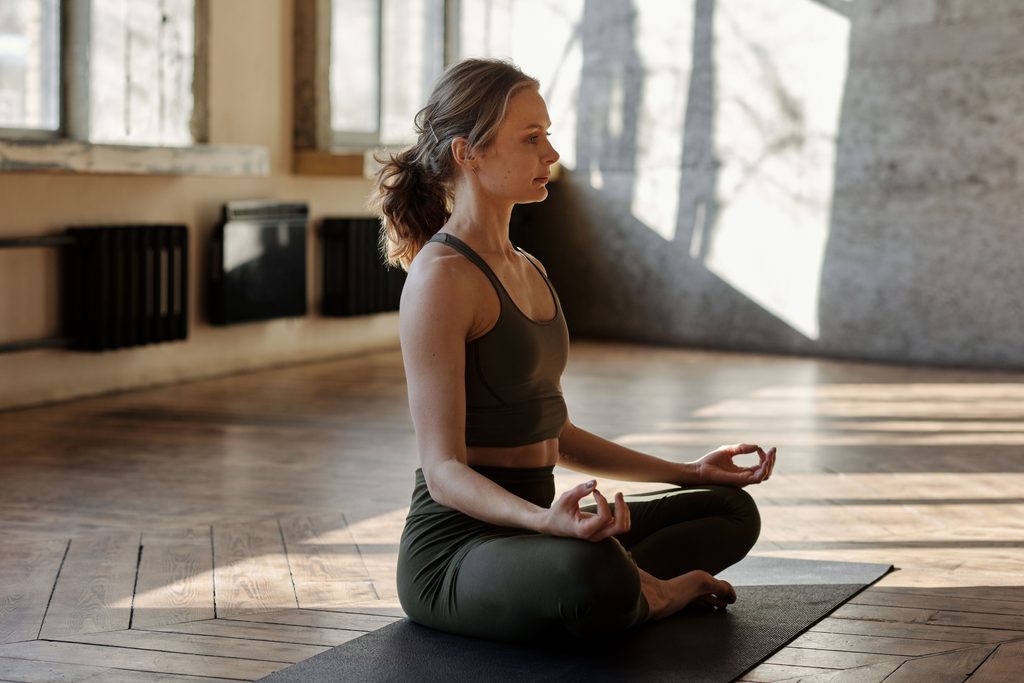
In today’s busy world, finding a quiet moment can sometimes feel difficult. Our days are filled with work, studies, responsibilities, social media, messages, and endless things to think about. Even when we are physically resting, our minds may still be busy thinking about the past or worrying about the future. This is where yoga and mindfulness can become useful practices.
Yoga can bring greater awareness to the body, movement, and breathing, while mindfulness encourages us to pay attention to the present moment. Although they are different practices, they can work together naturally and become part of a balanced daily routine.
You don’t have to be an experienced yoga practitioner to begin. You don’t need to perform difficult poses, and mindfulness does not mean completely emptying your mind. Both can start with simple practices and gradually become habits that fit into everyday life.
Yoga connects us with the body and breath, while mindfulness helps us become more aware of the moment we are living.
What Is Yoga?
Yoga is a mind-body practice that can include physical postures, breathing practices, meditation, relaxation, and awareness. Many people first discover yoga through its physical poses, but yoga is not only about flexibility or exercise.
During a yoga practice, you can pay attention to how your body moves, how your breathing feels, and how comfortable you are in a particular position. This awareness can make even a simple movement more meaningful.
Yoga is also accessible to beginners. You can start with basic poses and gentle movements without trying to copy advanced practitioners. Everyone has a different body and a different level of flexibility, so there is no need to compare your practice with someone else.
What Is Mindfulness?
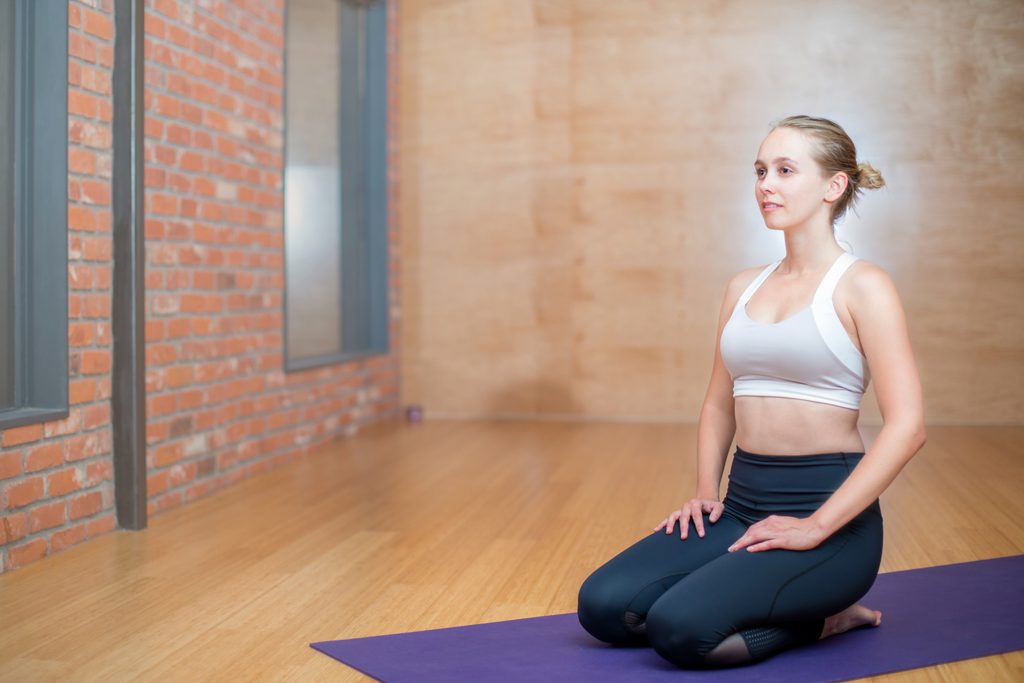
Mindfulness means intentionally paying attention to the present moment. It involves noticing what you are doing, how you feel, what you are thinking, and what is happening around you.
Think about eating breakfast while scrolling through your phone. You may be physically eating, but your attention is focused on the screen. A mindful approach would be to put the phone aside for a moment and notice the food, the taste, the smell, and the experience of eating.
Being mindful doesn’t mean getting rid of all your thoughts. The mind naturally wanders. Instead, mindfulness teaches us to notice when our attention has moved away and gently bring it back to the present.
It can be practiced while sitting quietly, walking, eating, listening to someone, or doing simple daily activities.
How Yoga and Mindfulness Work Together
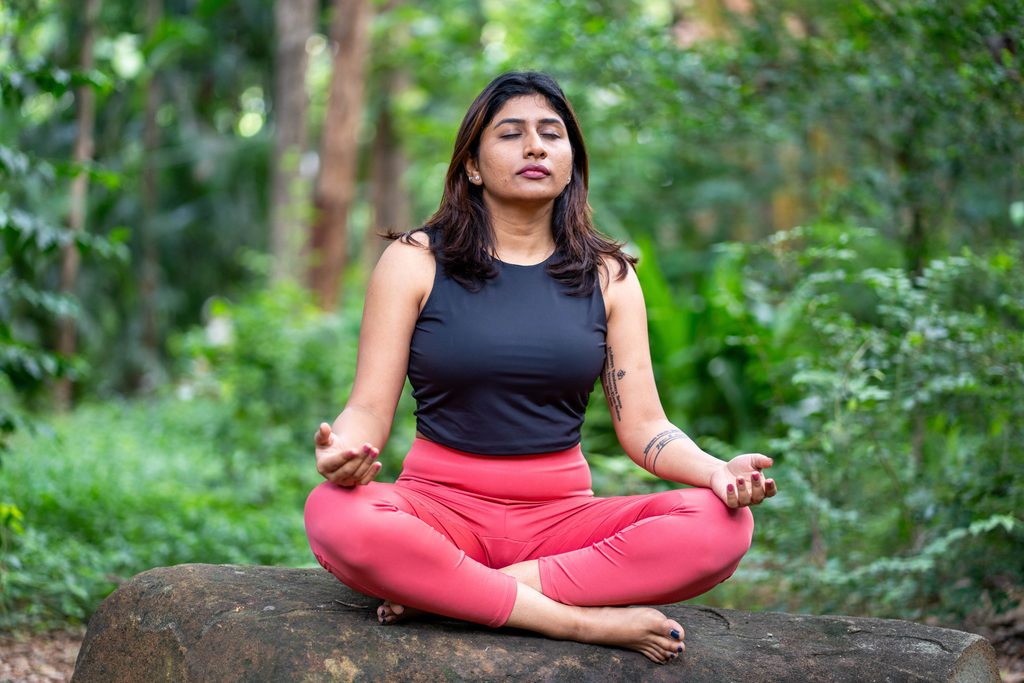
Yoga and mindfulness are not the same thing, but they complement each other well. Yoga can bring your attention to your body and breathing, while mindfulness can help you stay aware of your present experience.
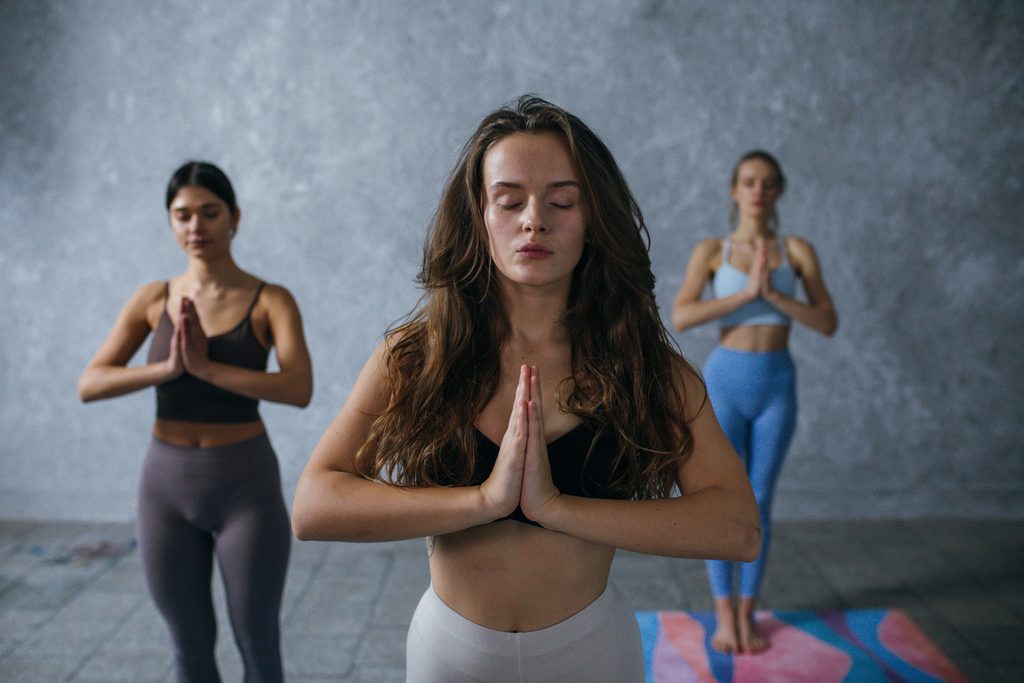
For example, while practicing Mountain Pose, you can notice your feet touching the ground, your posture, your shoulders, and your breathing. If your mind starts thinking about something else, you can notice that and gently return your attention to the pose.
This turns a physical movement into an opportunity for awareness. You are not simply trying to hold a particular position; you are paying attention to what is happening in your body and mind.
Breathing can act as a bridge between the two practices. As you move, you can notice your breath. As your attention wanders, you can return to your breath.
My experience with Yoga and Mindfulness
My interest in yoga and mindfulness began about a year ago. At that time, I found it difficult to concentrate on anything. My mind often felt busy, and sometimes I felt upset without really understanding why. I spent a lot of time thinking about things that were outside my control. To understand what I was experiencing, I decided to learn more about yoga and mindfulness and started with simple practices. My first attempts included basic poses such as Child’s Pose, Mountain Pose, and Cat-Cow, along with gentle stretches and breathing exercises. At that stage, I wasn’t perfect at the poses, and I’m still learning. Some movements were difficult, and there were days when my mind wandered constantly.
However, I continued practicing and gradually became more aware of my body, breathing, and thoughts. After a year of practice, I feel calmer and more refreshed as part of my daily routine. My experience is personal, but it taught me something important: you don’t need to be perfect to begin.
Yoga Is Not About Perfect Poses
Many people hesitate to try yoga because they think they need to be flexible. Social media can make this idea stronger because we often see experienced practitioners performing advanced poses. But yoga doesn’t have to look like that.
A beginner can start with simple poses and gradually become more comfortable. You don’t need to touch your toes, balance on your hands, or perform complicated positions. One of the biggest changes in my own approach was learning to stop comparing myself with other people. Instead of asking whether a pose looked perfect, I started paying attention to how my body felt.
Yoga is not a competition. Your body, flexibility, and progress are different from everyone . What matters is finding a safe and comfortable way to practice.
Simple Yoga Poses for Beginners
If you’re new to yoga, start with basic poses and gentle movements. As you become more comfortable, you can slowly learn and add new poses to your routine.
Mountain Pose
Begin by standing comfortably with your feet grounded and your body upright. Keep your shoulders relaxed and pay attention to your breathing. This simple pose can help you become more aware of your posture and balance.
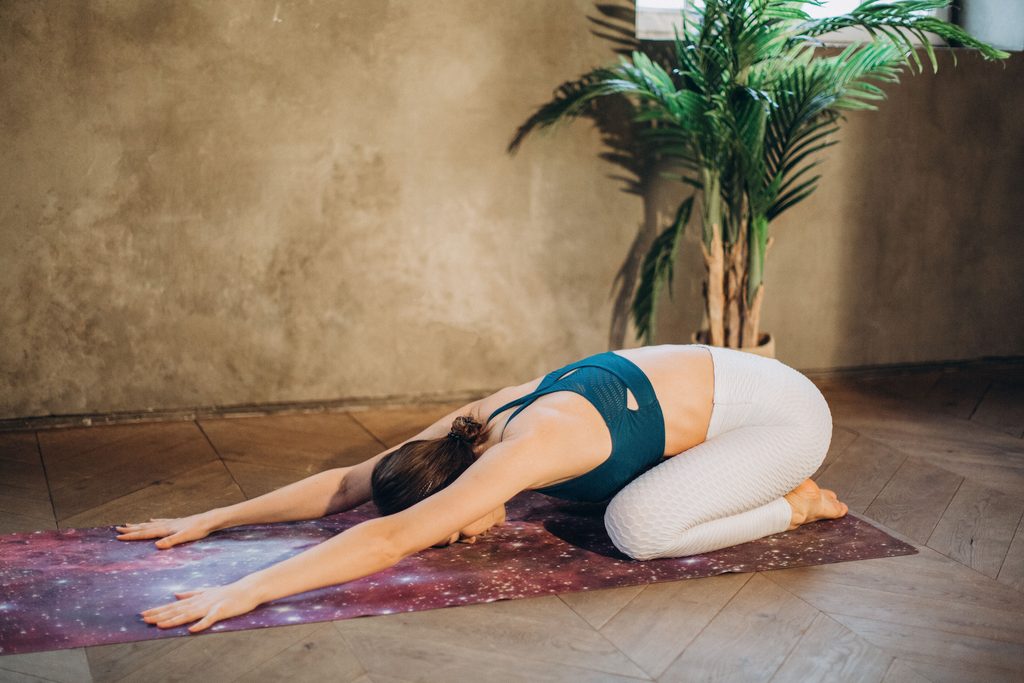
Child’s Pose
For a gentle break during your yoga routine, try Child’s Pose. Move into a comfortable position and allow your body to relax. Focus on your breathing and avoid forcing yourself into the pose.
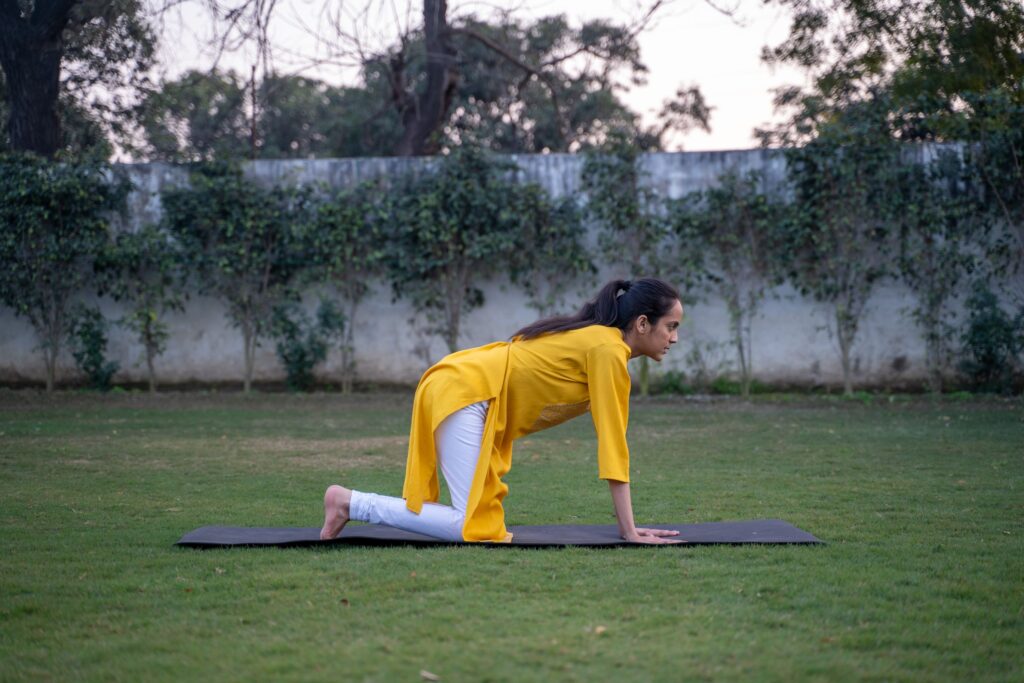
Cat cow pose
Move slowly between the two positions while matching your movements with your breathing. As you move, notice how your back, shoulders, and neck feel. Keeping the movement gentle can help you stay focused on your body.
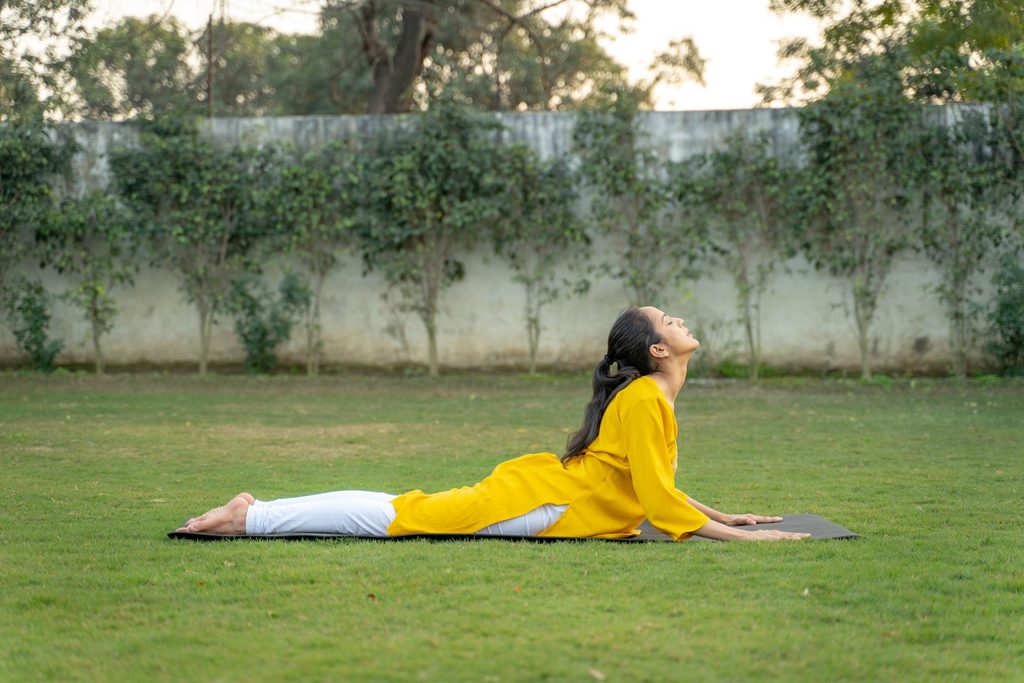
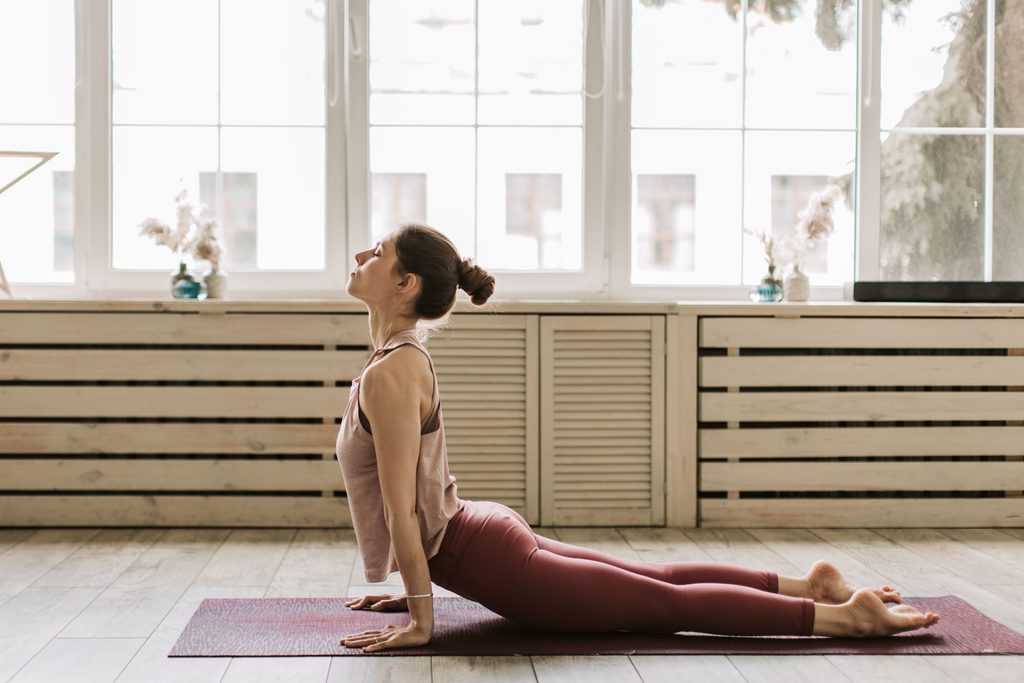
Cobra Pose
From a comfortable position on your stomach, gently lift your chest while keeping the movement controlled. This backbend works the upper back and opens the chest. Move only as far as feels comfortable and avoid forcing the stretch.
Why Is yoga and Mindfulness Important Today?
Our attention is constantly being pulled in different directions. Phones, notifications, social media, work, studies, and responsibilities can make it difficult to focus on one thing. We may also spend a lot of time thinking about what happened yesterday or worrying about what might happen tomorrow. Planning and learning from the past are important, but constantly living in the past or future can make us overlook the present.
Mindfulness offers a simple reminder to pause and notice what is happening right now. It doesn’t require you to leave your normal life or spend hours sitting quietly. Even a few moments of awareness during an ordinary activity can be a useful practice.
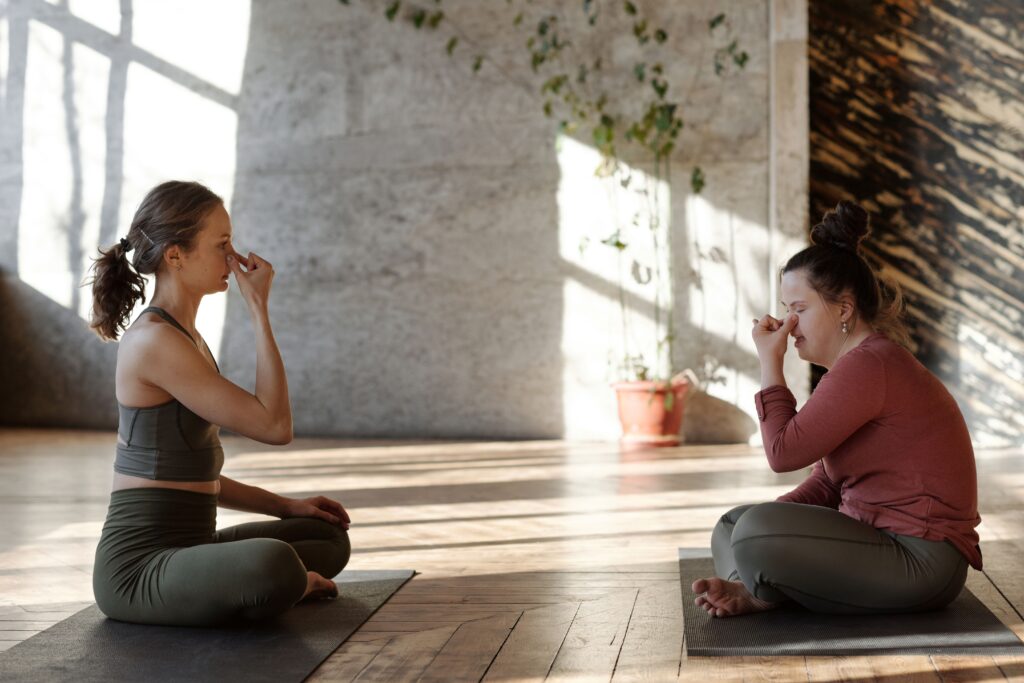
Practicing Yoga and Mindfulness in Everyday Life
Mindfulness can easily become part of everyday activities. While eating, you can pay attention to the taste, smell, and texture of your food instead of automatically using your phone. While walking, you can notice your footsteps, surroundings, and the sounds around you.
You can also practice mindful listening during conversations. Instead of thinking about your response while someone else is speaking, try giving them your full attention.
Even simple activities such as making tea, cleaning your room, or getting ready in the morning can become opportunities to practice awareness. The activity doesn’t need to change. Your attention does.
What I Learned After One Year of Mindfulness yoga
After one year of practicing yoga and mindfulness, I wouldn’t say that every difficult situation disappeared. I still have busy days, distracting thoughts, and moments when I lose focus. The difference is that I have become more aware of those moments. When my mind becomes scattered, I try to pause, notice my breathing, and return my attention to what I’m doing.
I have also learned that not everything is under our control. We cannot change yesterday, and we cannot know exactly what tomorrow will bring. But we can choose to pay more attention to the present. For me, that awareness has become one of the most valuable parts of practicing yoga and mindfulness.
Beginner Mistakes to Avoid When Practicing Yoga and Mindfulness
- Comparing yourself with others: Everyone has a different body, flexibility, and level of experience.
- Trying to be perfect: You don’t need to master every pose immediately. Give yourself time to learn.
- Forcing your body: Never force yourself into a position just to achieve a particular shape. If a movement causes pain, stop and seek appropriate professional guidance when needed.
- Expecting immediate results: Building a practice takes time. Focus on creating a routine you can maintain.
Not exactly. Meditation is one way of practicing mindfulness, while mindfulness can also be practiced during everyday activities such as walking, eating, listening, and breathing.
No. You can begin yoga at your current level of flexibility and gradually become more comfortable with different movements.
Yes. You can start with simple practices in a safe and comfortable space at home.
No. Yoga is a broader mind-body practice that can include physical postures, breathing practices, meditation, relaxation, and awareness. Mindfulness is intentionally paying attention to the present moment.
Final Thoughts: What Yoga and Mindfulness Can Teach Us
Yoga and mindfulness don’t have to be complicated. They can begin with simple movements, natural breathing, and a few quiet moments of paying attention to what is happening right now.
My own experience over the past year has helped me understand that yoga isn’t about achieving the perfect pose, and mindfulness isn’t about stopping your thoughts completely. Instead, both practices can help us become more aware of our body, breathing, thoughts, and the present moment.
We cannot control everything that happens around us, but we can become more aware of how we respond to different situations. Taking a few quiet moments during a busy day can help us step away from constant distractions and bring our attention back to the present.
If you’re thinking about trying yoga and mindfulness, start at your own pace. Begin with simple movements, pay attention to your breathing, and listen to your body. You don’t need to be perfect or experienced to begin. Give yourself time to learn, practice, and find what works naturally for you.